Make Your Desk Fit You, Not the Other Way Around

Today we’re exploring Home Office Ergonomics: Tiny Daily Adjustments for Better Posture and Comfort, turning small, doable choices into noticeable relief. Expect practical, science-informed tweaks, gentle habit nudges, and relatable stories you can test in minutes. Snap your setup, ask questions, and tell us what shift helps most—your insights guide our next experiments and support everyone working from home.

Align the Foundation: Chair, Desk, Foot Support

Your body thrives when the big pieces line up: seat height that lets your feet ground, desk clearance that frees thighs, and gentle lumbar support that invites a neutral curve. Small turns of a lever, a folded towel, or a firm book under feet can dissolve nagging pressure. Experiment today, notice tomorrow, and keep the wins that feel effortless.

Find Your Neutral Spine Without Overthinking It

Slide hips slightly behind the sit bones, let ribs stack over pelvis, and imagine a string gently lengthening the crown. Support the natural low-back curve with a small cushion or rolled towel. If your shoulders soften and breath deepens within a minute, you’ve likely found a sustainable, repeatable resting posture.

Dial In Seat Height and Desk Clearance

Set seat so knees are near hip level, not hovering far above or collapsing below. Aim elbows around ninety to one hundred ten degrees when hands rest on the keyboard. If thighs contact the underside, raise the desk or lower the seat and add a supportive footrest to preserve comfort.

Screens, Keyboards, and Mice That Reduce Strain
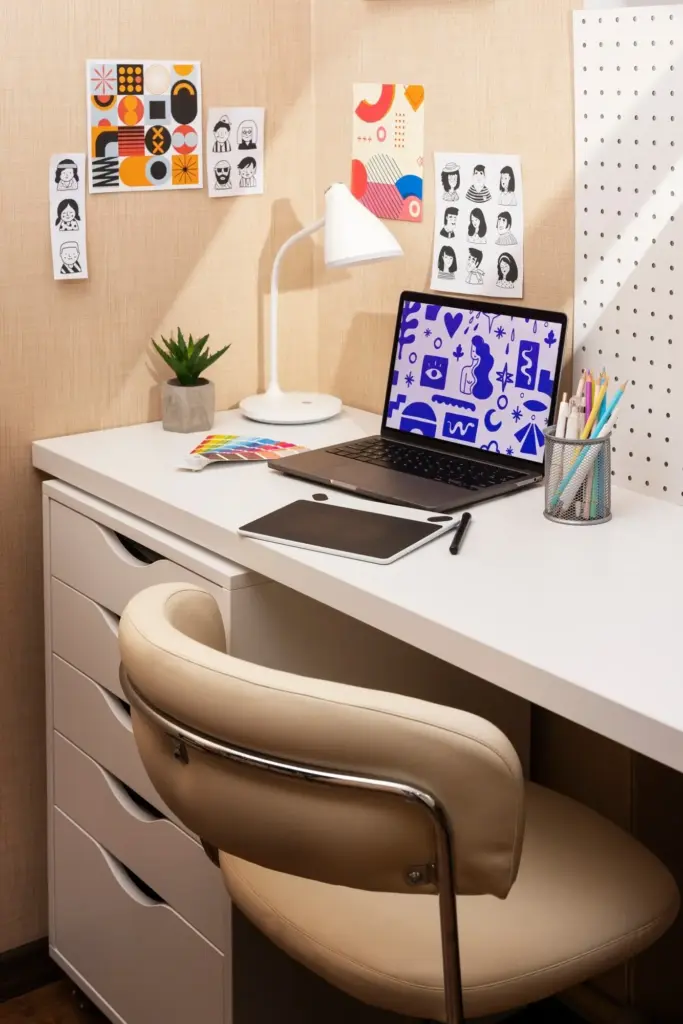
Precise placement transforms effort into ease. Your eyes, wrists, and shoulders reward millimeter-level care: top of the monitor near eye level, keyboard flat or negative tilt, and a mouse that supports a light grip. These quiet adjustments often deliver instant relief and set you up for durable comfort throughout long sessions.

Micro-Breaks and Movement You Can Actually Keep

Relief arrives not just from setup, but from rhythm. Brief resets restore circulation, hydrate tissues, and refresh attention without wrecking momentum. Build tiny interludes you barely notice: stand to take calls, walk during file syncs, breathe while tea steeps. Consistency beats intensity, and five mindful interruptions often outperform one heroic workout.

Breath, Lighting, and Sound for Whole-Body Ease
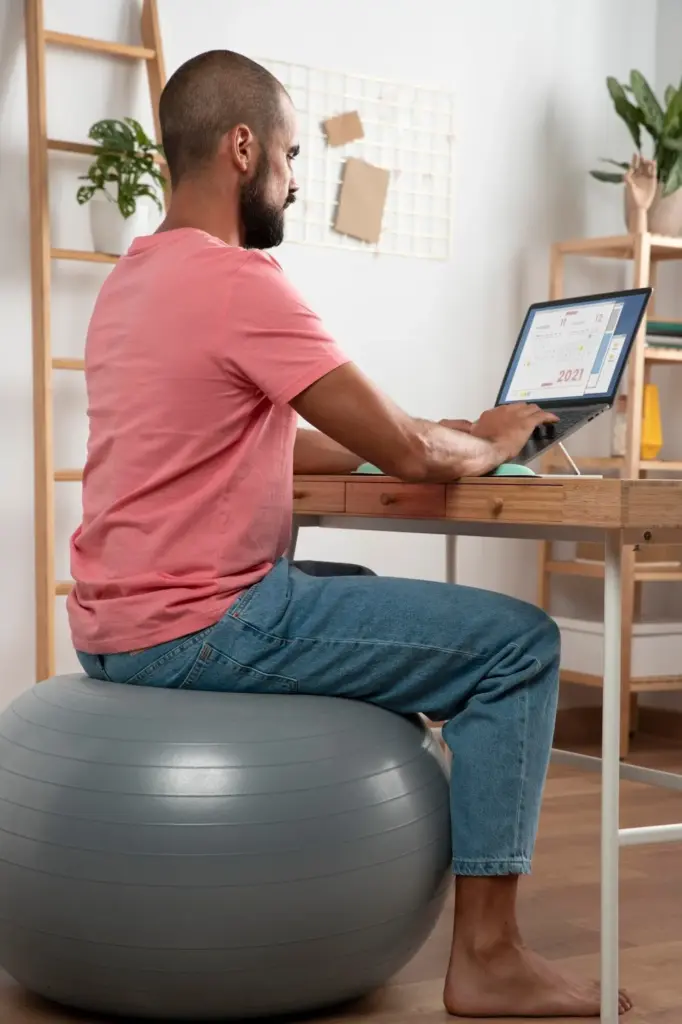
Ergonomics is sensory, too. Light that matches the task, air that feels fresh, and gentle soundscapes reduce unconscious bracing. Combine indirect lamps, a cracked window or purifier, and consistent background audio. Less squinting, fewer flinches, and smoother breathing make sustained focus possible without trading comfort for productivity or creativity.

Cables, Accessories, and Layouts That Keep You Flowing

Friction steals energy. When tools live exactly where hands expect them, posture improves because reaching becomes effortless. Anchor power strips, route cables along edges, and park frequently used items within a comfortable semicircle. The result is less twisting, calmer wrists, faster context switches, and a desk that quietly invites focused work.

Keep Essentials in the Primary Reach Zone

Place keyboard, mouse, notebook, and favorite pen where elbows stay near your sides and wrists stay neutral. Secondary tools sit just beyond, with occasional items on a nearby shelf. This simple hierarchy reduces awkward reaches, supports relaxed shoulders, and turns tidying into a one-minute ritual you’ll actually sustain.

Tame Cables to Remove Friction

Use adhesive clips, Velcro ties, and under-desk trays to guide cords out of the way. Label chargers and hubs so swaps are effortless. When nothing snags, you stop hunching to rescue plugs, and your chair glides freely without surprise tugs that nudge posture out of balance or patience.

Containerize, Label, and Reset Each Day

Give loose items a home: trays for pens, a box for adapters, a small caddy for earbuds, and a basket for papers. End the day with a two-minute reset. Tomorrow’s first minutes will feel lighter, freeing attention for posture awareness and calm, confident work that actually gets finished.

Stories, Metrics, and Gentle Accountability

Numbers and narratives make progress visible. Track comfort, energy, and focus alongside simple setup notes. Compare weeks, not days, and celebrate small wins—a lower shoulder ache, deeper sleep, a quicker warm-up. Share your experiments with us and invite feedback; collective insight makes the next tiny adjustment even smarter.

A Two-Week Journal That Reveals Patterns

Each evening, jot three quick notes: one posture tweak you tried, your comfort on a zero-to-ten scale, and one idea for tomorrow. After fourteen days, patterns emerge across meetings, meals, and moods. Share highlights in the comments, and we’ll suggest personalized micro-experiments to keep the momentum enjoyable and sustainable.

Before-and-After Photos and Posture Cues

Take quick chair-level photos from the side once a week. Notice shoulder height, head angle, and lumbar support. Add sticky-note cues like “soft jaw” or “elbows close” where eyes land. Visual comparisons energize progress, and small cues steer behavior even on busy days when decisions feel overloaded and fragile.

Invite a Buddy and Join Our Updates

Accountability feels kind when shared. Ask a friend to swap weekly check-ins, trade photos of setups, and compare movement cues that actually stick. Subscribe for more bite-sized experiments, comment with one question, and celebrate your favorite micro-win so far. Your contribution helps shape future guides for everyone here.
Thewellnesswag
Privacy Overview

This website uses cookies so that we can provide you with the best user experience possible. Cookie information is stored in your browser and performs functions such as recognising you when you return to our website and helping our team to understand which sections of the website you find most interesting and useful.